In Paroha, Rautahat, southern Nepal, the Nutrition Education Rehabilitation Program (NERP) camp takes a vulnerable mother and her two-year-old on a nutritional journey.
Written by Pratistha Rai
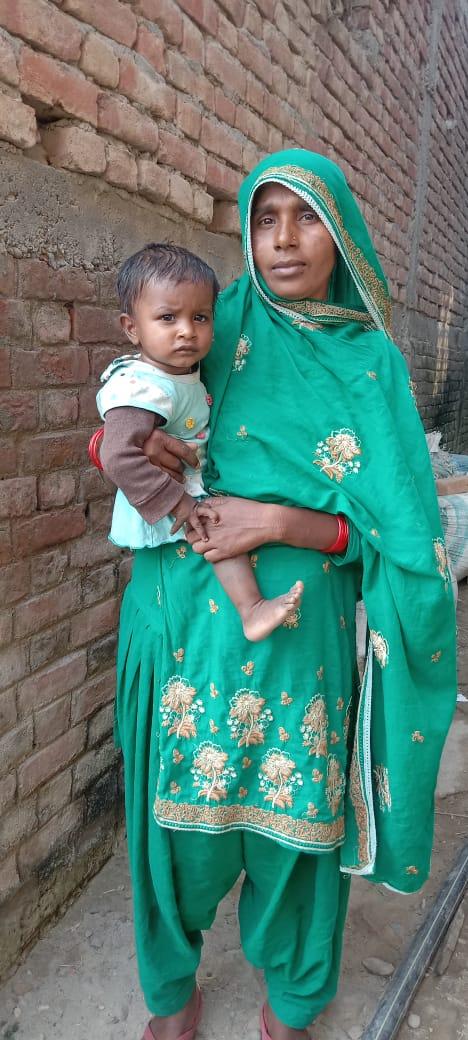
Majbun Nesha and Rabiya before joining the NERP Camp.
PC: Umesh Prasad/FORWARD Nepal
At 30, Majbun has eight kids: five daughters and three sons. With Rabiya, her youngest, by her side, she recalls the time when her daughter was first diagnosed as malnourished. She shares, “A Female Health Community Volunteer advised me to visit the health post. At first, I was hesitant, but after much convincing, I gave in. I thought it would be good to have my year-old child checked up, as she would be frequently irritable and fatigued and would not eat well. They measured my child’s height and weight and told me that my child was malnourished. They then enrolled us in a NERP camp where I received training in preparing nutritious foods.”
Describing how women working outside their homes is uncommon in the community, she explains, “I sometimes had to make excuses to take my child for the camp. And I am happy that I went anyway. In the camp, I was not only taught to make nutritious meals, but was also encouraged to adopt hygienic practices like using soap and water to wash my hands before preparing meals.”
As the sole provider for her family, her husband does all the odd jobs to make ends meet. She remarks, “I would have supported my family by working outside but that would mean disrespecting my family. So, I do all the household chores and care for my eight children.”
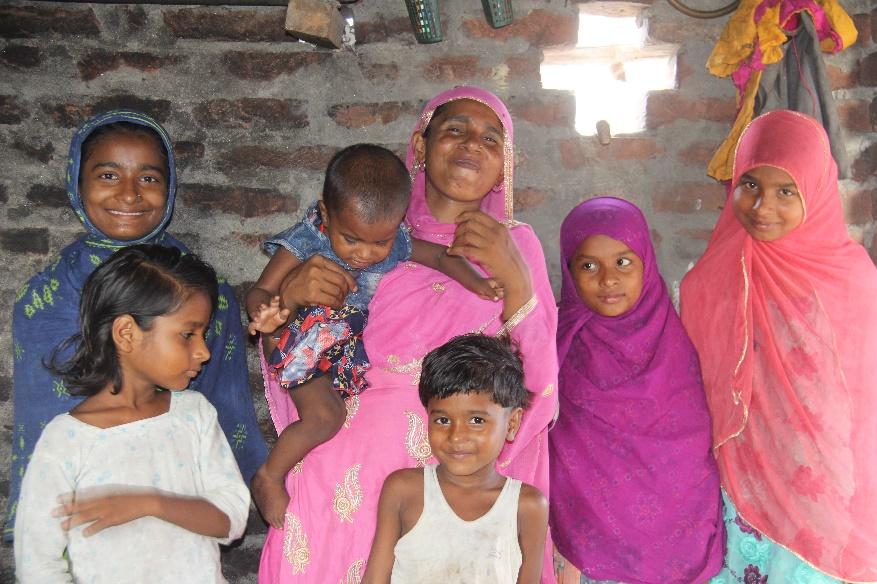
Despite hefty responsibilities at hand, Majbun did her best to follow what was taught in the 15-day camp, and her efforts bore fruit. In the subsequent check-up, Rabiya was classified as a well-nourished child. Majbun, now, is confident that her child will not relapse into malnutrition as she has now gained knowledge to feed local, available nutritional foods, something that is within her reach and something she did not know before.
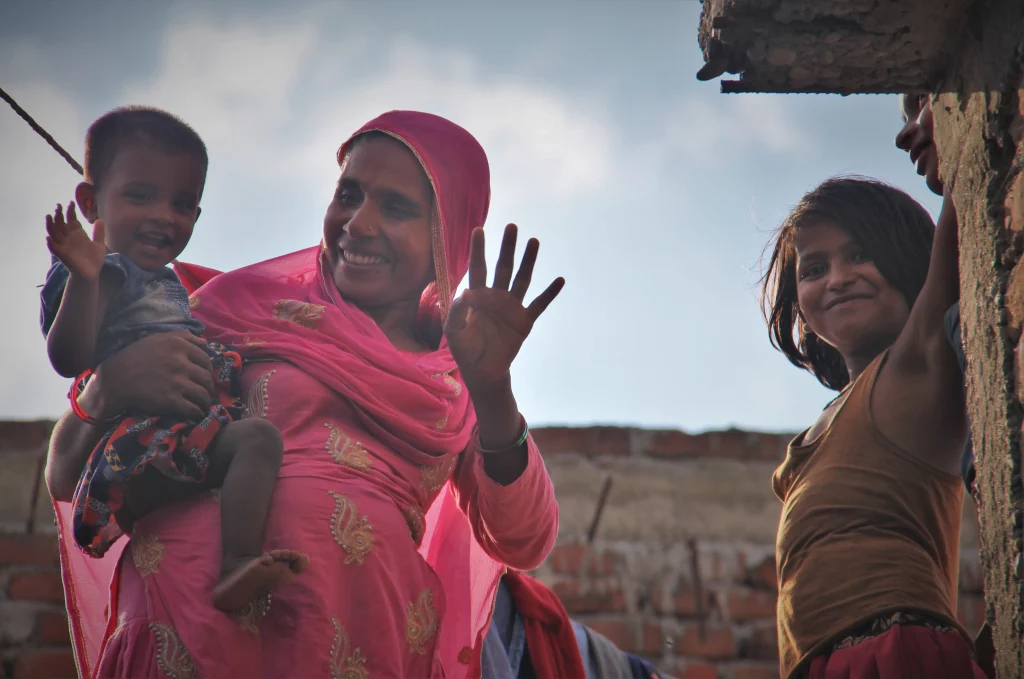
PC: Pratistha Rai/WHH
The collaborative effort of Welthungerhilfe (WHH)-Nepal and FORWARD Nepal comes in handy in places such as Paroha, where there exist limited resources and information, especially for women. The ingredients used in the camp meals are focused on local produce which makes it easier for the mothers to replicate the meals without having to purchase them elsewhere. To date, the camp has supported 205 mothers, including Majbun, to provide their young ones with nutritious food and basic healthcare.
NERP Camp is an approach that Welthungerhilfe adopts to raise awareness among mothers about the importance of nutrition, hygiene, and health care and teaches them to prepare nutritious meals with locally available foods. Before enrolling in the camp, the height and weight of the children (under five years old) are measured. Scores are allocated according to the ratio of the measurement to categorize the level of malnutrition. If the children are found to be moderately acutely malnourished (MAM), Z score between -3 and -2, then their mothers, along with their children, are enrolled to the 15-day camp.
About ‘Nutrition Smart CommUNITY’ project in South Asia
A Nutrition Smart CommUNITY is a village where there are no hunger & no Child sleeps hungry. It is a multistakeholder coalition where we unite to combat malnutrition in the rural areas with four interlocking strategies. The Nutrition Smart CommUNITY was initiated 260 villages in India Nepal & Bangladesh in 2018. From 2020 onwards a major thrust has been on scaling up the multisector approach in adjacent villages especially through the Government system in another 200 villages. Two Nutrition Smart CommUNITY have been identified as learning hubs in India as Model villages assist scale-up of the approach. These two learning hubs are in two States, of India, Jharkhand & Madhya Pradesh. The approach for developing learning hubs is through sensitizing and building capacity of the community on improving the quality of health and wellbeing by optimally utilizing existing resources, access government schemes and improve communication skills. The learning hubs will not only demonstrate a village transformation through active engagement of the community in village development but also host trainings, exposure visits and handholding support to other villages to transform into a Nutrition Smart CommUNITY.