About Us
What Is

In 2021 the project villages were named as the Nutrition Smart CommUNITY is a multistakeholder coalition mainly designed to address underlying causes of chronic hunger and malnutrition and the approach is based on four interlocking strategies.
HOW WE STARTED OUR JOURNEY!
The ‘Fight Hunger First Initiative’ was conceived through a multi partner consultation in 2011, where participants from India, Sri Lanka and Nepal had participated. The Fight Hunger First Initiative was designed on the premise that, in the longer term, poor people can only break out of this cycle if adequate welfare systems are in place and basic rights such as access to proper education, sufficient and adequate access to food and income, better health services and all people are treated like equal citizens by the state are fulfilled.
In 2018, Welthungerhilfe (WHH) initiated the project called Regional programme for promoting a multisectoral approach for Nutrition Smart Villages in Bangladesh, Nepal and India. The project was planned in the backward regions of three South Asian countries Bangladesh, Nepal and India where malnutrition perpetuates from intergenerational cycle of poverty and deprivation and is restricting the benefits of economic development.
Reducing chronic undernutrition is a complex challenge because it is caused by a variety of factors such as poverty, mono-cropping, inadequate diets, gender inequality, low education, poor health, and sub-optimal caregiving practices.
Thus, to address the multiple factors that cause chronic undernutrition, inputs from many sectors are required. This underlines the need for a multi-sectoral response, which includes both direct (nutrition-specific) and indirect (nutrition-sensitive) interventions
Foster behavioral change at household level
Strengthen and support community-based institutions;
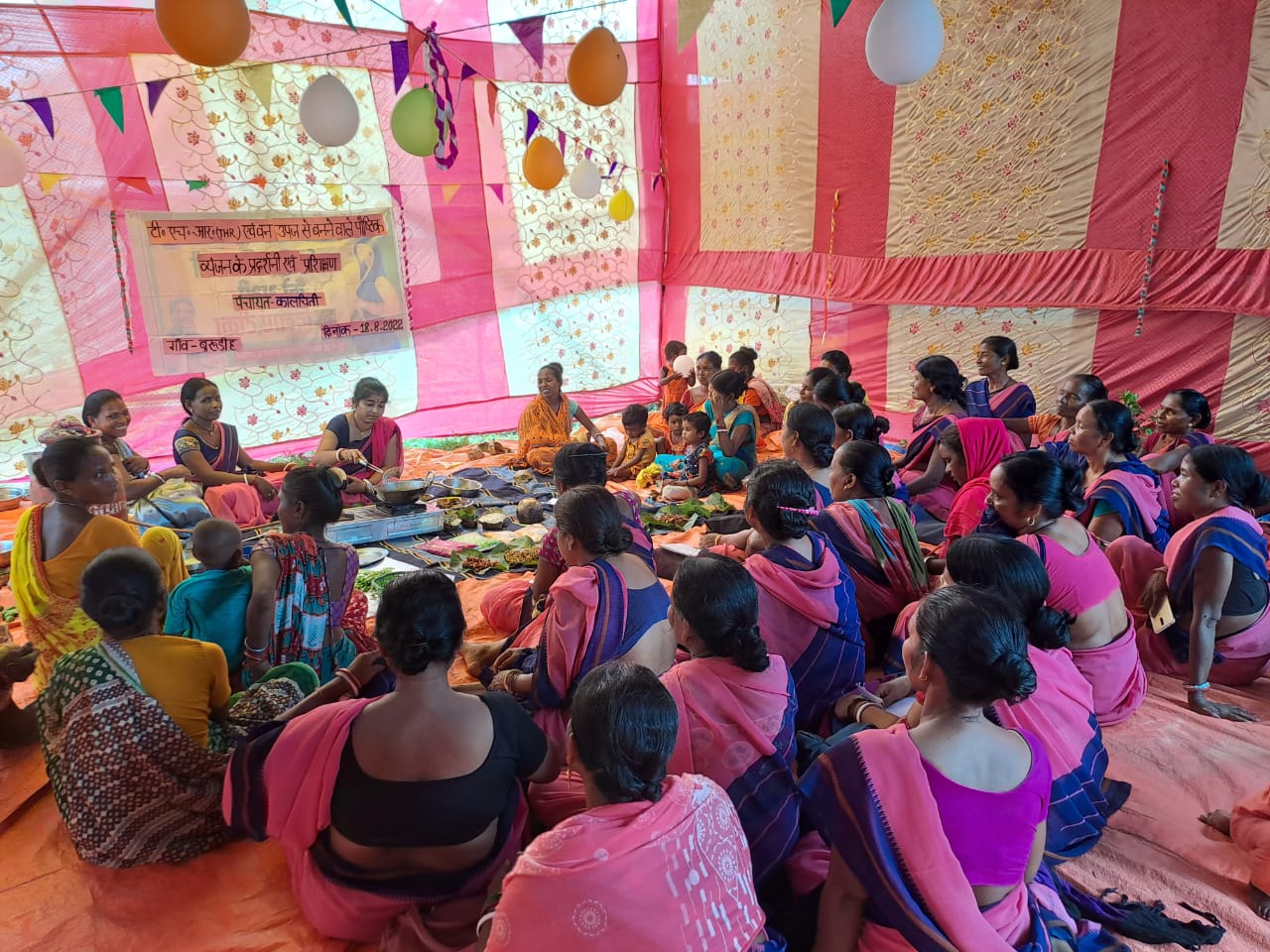
Activate and improve nutrition relevant services at community level; and
Advocate and promote a multisectoral community-based implementation model for the Right to Adequate Food
Our Interlocking Strategy
To address underlying causes of chronic hunger and malnutrition, our approach is based on four interlocking strategies
- Foster behaviour change at household level
- Strengthen and support community-based institutions
- Activate & improve services at community level
- Advocate & promote a multisectoral community
Only, then, can the new generation of marginalized groups look forward to a new and better future. And only then, can growth benefit the entire society.