How LANN+ sessions are empowering youth female facilitator in a village where women have limited access to opportunities
Written by Pratistha Rai
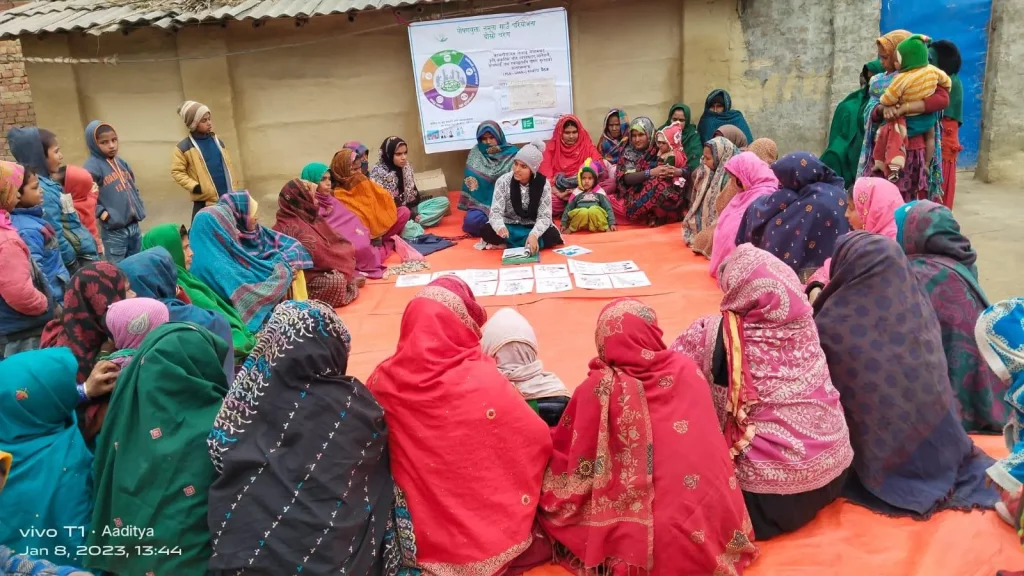
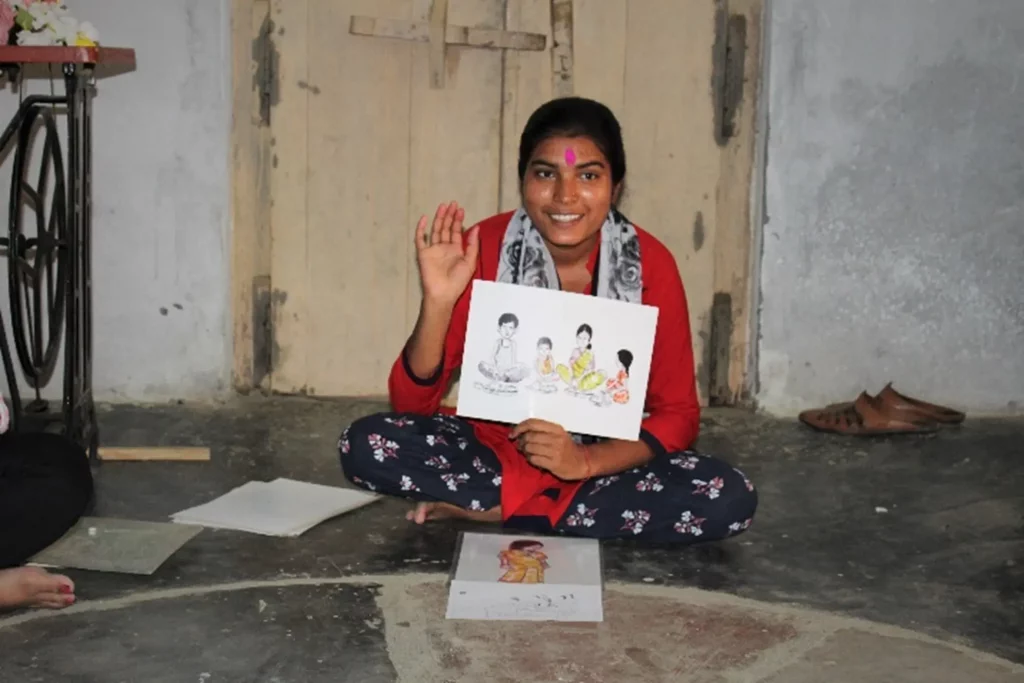
In an age when most wonder about their course of life, Reshmi, 19, has found hers. Now a facilitator, Reshmi admits that she used to be too shy to speak in public. Her routine consisted of going to school and returning straight home. She even avoided small talk with her neighbours. However, all of that changed when she unintentionally began to assist her mother in LANN+ (Linking Agriculture and Natural Resource Management plus WASH towards Nutrition Security) sessions, conducted by WHH Nepal and FORWARD Nepal in the Nutrition Smart CommUNITY project.
Reshmi used to help her mother, a Female Community Health Volunteer (FCHV), to conduct the sessions. While helping, Reshmi soon gained confidence that she too could lead the sessions and showed interest in doing so.
PC: Isha Banarjee/WHH
In a place where women are rarely seen outside working, except in the fields, Reshmi is actively engaged in explaining the root causes of malnutrition and the importance of hygiene and sanitation to have a quality life.
PC: Isha Banarjee/WHH
She remarks, “One of the many reasons that deters women’s health is the culture of women eating food at last. This way, pregnant women do not get the proper diet and care. I also think that child marriage and women’s financial dependence contribute to malnutrition.”
Reshmi’s actions are as significant as her thoughts. Just a few houses away lives Nita Devi Patel who has a 3-year-old daughter and a month-old son. Like many women in the community, Patel is confined at home and is not allowed to consume nutritious foods such as eggs, fruits, green vegetables, and meat. Her in-laws are concerned that the infant she is breastfeeding might contract an illness and meet the same fate as her firstborn. As Patel is now in postnatal care, her mother-in-law attends the sessions instead of her. While returning home, her in-law is unable to explain the learning of the sessions clearly, and this leaves Patel with no choice but to continue with the same food consumption patterns and hygiene and sanitation practices.
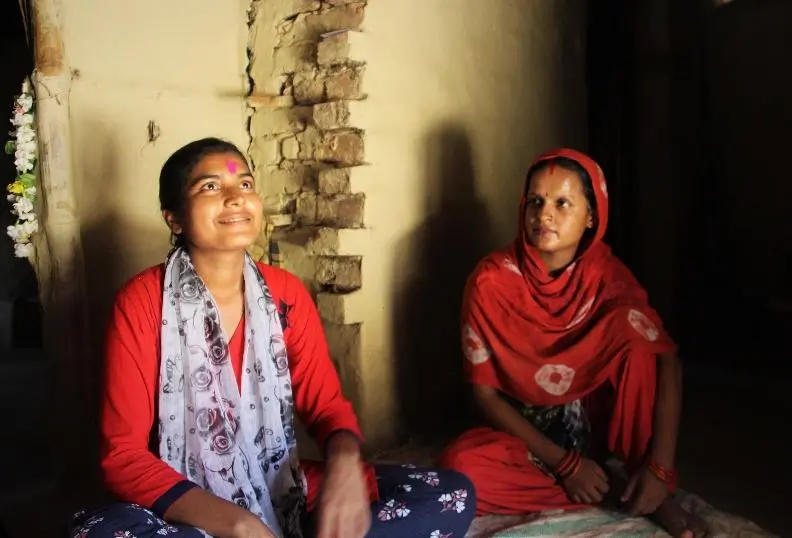
For women like her who have little or no access to information or proper food, Reshmi shares bits of her knowledge about food and hygiene so that, with the minimal resources available, Patel can take care of her child.
PC: Pratistha Rai/WHH
Empowering youths like Reshmi becomes imperative in a place where only 8% of women were observed to have met the minimum dietary diversity (baseline report of July 2019). Reshmi was selected from among the 9 individuals who were trained to facilitate the sessions. “Reshmi performed exceptionally well in the training. She even outperformed the facilitators we have had”, says Mr. Deepak Kumar Mandal, Nutrition and Advocacy Officer from FORWARD Nepal.
To enhance her skills, Reshmi has now enrolled in computer training classes, facilitated by the government of Nepal. She hopes to continue bachelor’s degree major in health for further studies and serve her community, especially the marginalized and voiceless.